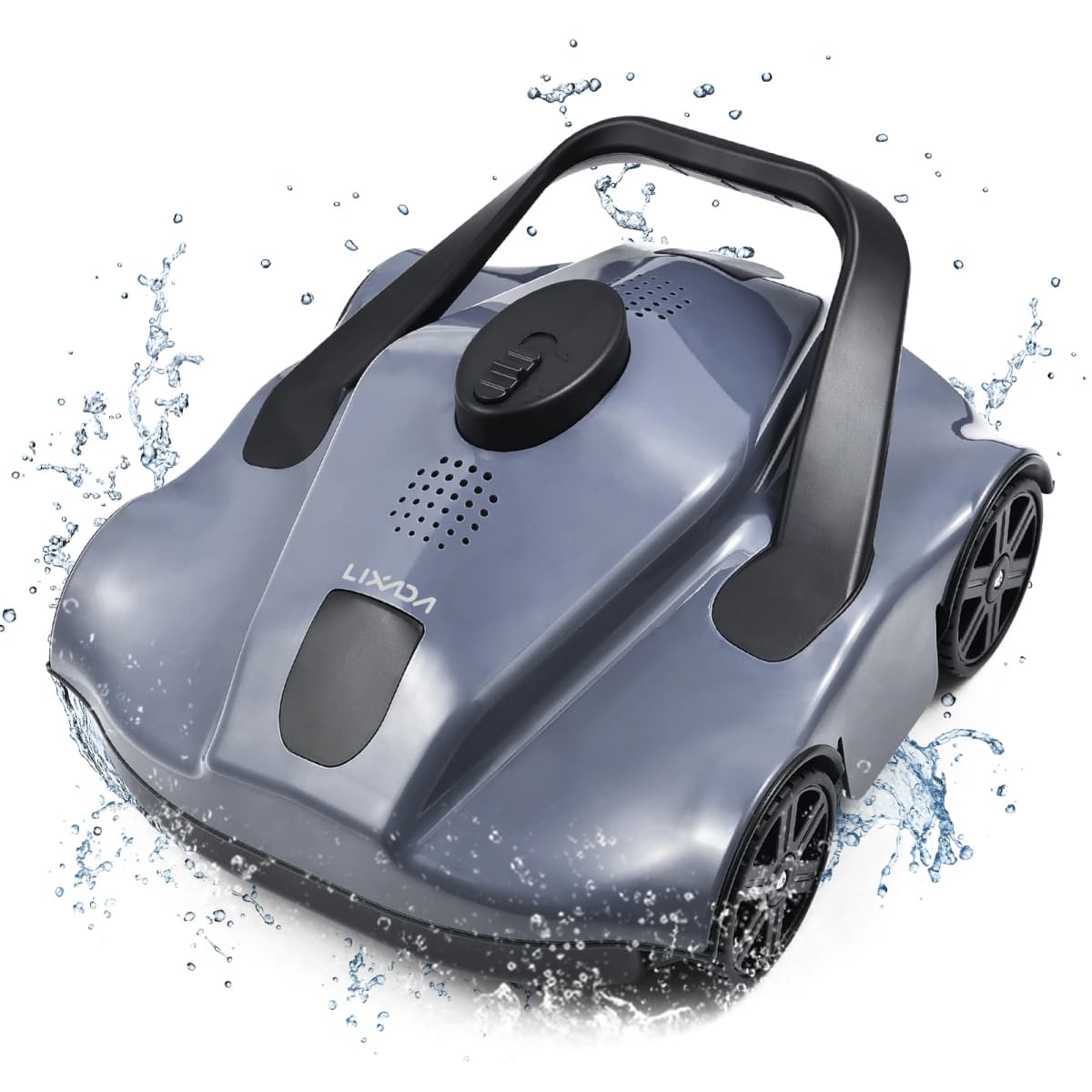
Most pool robot returns start the same way: the robot was fine, it was just the wrong robot for the pool. It ran out of battery before it finished the deep end, it could not climb the walls, or it was never meant for that surface.
The fix is to choose in the right order. Measure the pool first, check the surface second, then compare features. Price comes last, after you know which models can actually do the job.
Step 1: Measure your pool's floor area
Robot makers rate coverage by area or by pool length. Gallons do not help here. Mammotion's buying guide makes the same point: pool volume and cleaning area are not the same measurement.
Work out your floor area with a tape measure:
- Rectangle: length × width. A 16 ft × 32 ft pool is 512 sq ft.
- Oval: length × width × 0.785. A 15 ft × 30 ft oval is about 353 sq ft.
- Round: 3.14 × radius × radius. A 24 ft round pool (12 ft radius) is about 452 sq ft.
- Kidney or freeform: split it into rectangles and circles, add them up, then round up.
Write down the longest straight run as well. Some robots are rated by length (for example "up to 50 ft") rather than by area.
Rule: pick a robot whose rated coverage is comfortably above your number, not just equal to it. A rating describes a full cycle under good conditions. Heavy leaf loads and steps eat into it. The iGarden buying guide puts it plainly: a cleaner has to finish your whole pool in a single cycle, or you are left with missed areas.
Step 2: Know your pool surface
Surface decides two things: which brushes are safe, and how well the robot grips the walls.
- Plaster, pebble and concrete (gunite): rough and grippy. Most robots climb well here. Stiffer brushes are usually fine.
- Tile: smooth and hard. Traction on vertical tile walls varies by model, so check that wall climbing is listed.
- Fiberglass: smooth gelcoat. Check the spec sheet for fiberglass compatibility.
- Vinyl liner: the surface that needs the most care. iGarden notes that delicate vinyl liners are best cleaned by soft rubber rollers or non-abrasive brushes, and that the wrong pairing can damage the surface.
Mammotion also notes that compatibility varies by model for vinyl and fiberglass pools. If the product page does not name your surface, ask before you buy. Our contact page reaches the BoriBots team directly.
Step 3: Check the pool type and shape
Above-ground vs in-ground. Above-ground pools have short, straight walls and are usually smaller. A lighter robot is easier to lift out over the wall after every cycle. In-ground pools need a robot that can climb taller walls and handle a deep end.
Steps, benches and sun shelves. A tanning ledge or a sloped deep end asks more of the drive system. iGarden's guide notes that treads or a combined wheel-and-track drive grip angled walls and deep-end slopes better than hard plastic wheels.
Shape. Rectangles are the easiest to cover. L-shapes, kidneys and freeform pools need smarter navigation, or the robot will keep missing the same corner.
Step 4: Match filtration to your debris
What falls into your pool matters as much as its size.
- Leaves, palm fronds and flowers: you need a large basket you can empty quickly. Fine filters clog fast under heavy leaf loads.
- Sand, pollen and fine dust: a finer filter catches what a coarse basket lets through.
- Floating debris that has not sunk yet: a surface skimmer catches it before it reaches the floor.
Mammotion's advice is to check the manufacturer's stated particle rating rather than assume finer is always better.
Step 5: Corded or cordless
Neither is better for every pool. Cordless robots skip the floating cable but need charging and have a runtime limit. Corded robots run on continuous power but need a nearby outlet and cable management. For a deeper comparison, read our guide to cordless vs corded pool robots for tropical pools.
How the BoriBots pool robots line up
These numbers come straight from the spec tables on each product page.
| Robot | What it cleans | Rated coverage | Power | Filtration |
|---|---|---|---|---|
| CoralBot Mini | Floor + walls | Up to 800 sq ft | Cordless, 90 min | Fine mesh basket |
| AquaBot Wave | Floor, walls, waterline | Up to 50 ft pool length | See product page | 2-micron fine filter |
| AquaBot Pro Max | Floor + walls, dual scrubbing brushes | Up to 2,500 sq ft | Battery, 150 min | 1-micron cartridge |
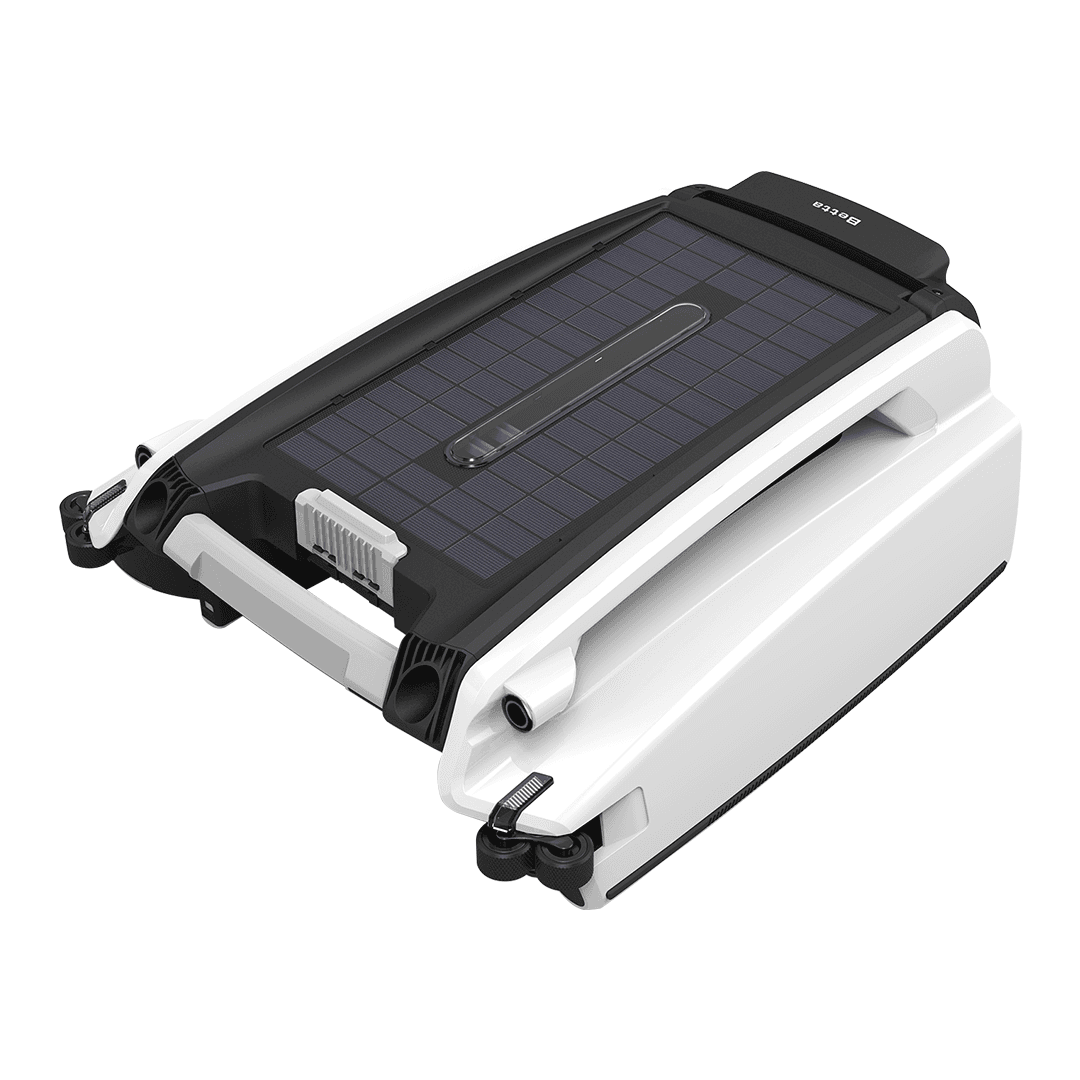
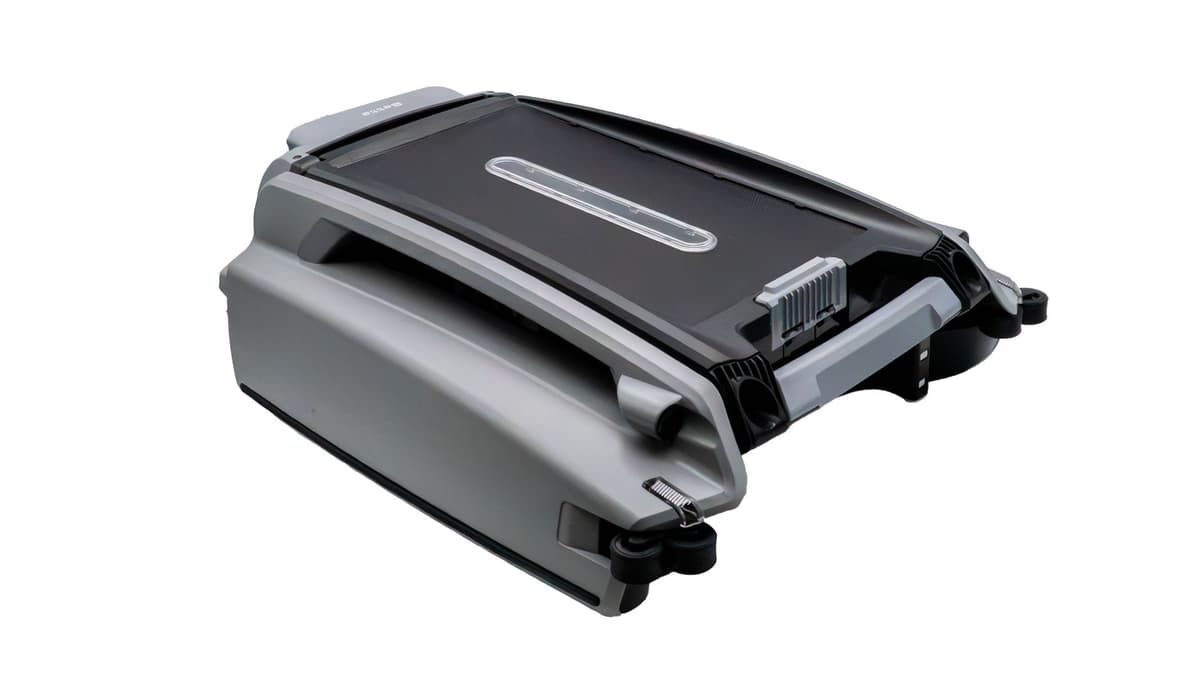
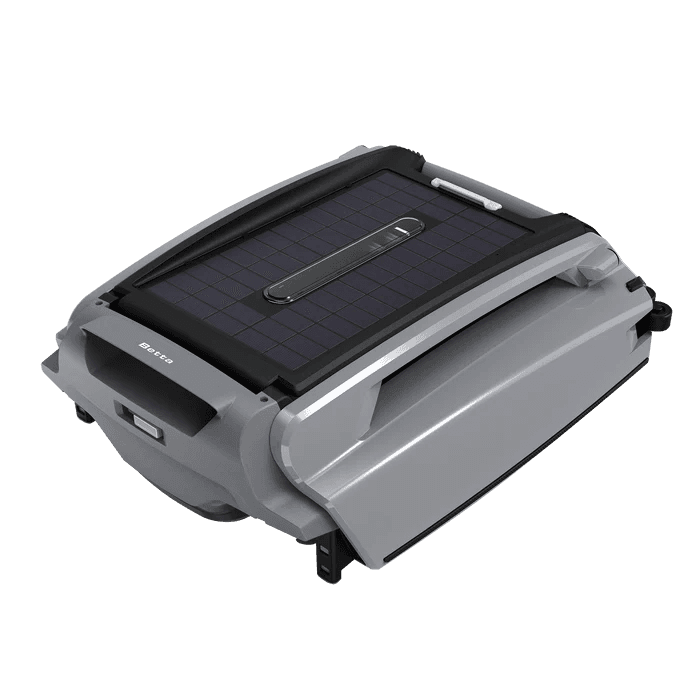
| WaveBot Solar | Water surface only | Surface skimming | Dual solar panels | 3L top-loading basket |
Using the table with your measurements:
- Small pool, condo or rental, under 800 sq ft: the CoralBot Mini is rated for this size and is the lightest floor cleaner in the range at 12 lbs.
- Mid-size pool, any surface, in-ground or above-ground: the AquaBot Wave lists in-ground, above-ground and all surfaces in its specs, and scrubs the waterline.
- Large pool, up to 2,500 sq ft, or a saltwater system: the AquaBot Pro Max has the largest rated coverage, smart mapping with a gyroscope, and is listed as saltwater rated.
- Heavy floating debris from trees and landscaping: add the WaveBot Solar skimmer. It does not clean the floor, so pair it with one of the robots above.
A quick checklist before you buy
- Floor area written down, and rounded up.
- Surface type confirmed: plaster, tile, fiberglass or vinyl.
- Wall climbing listed, if you want walls cleaned.
- Filter matches your debris: big basket for leaves, fine filter for sand.
- Power type fits where your outlet is and how often you can charge.
- You can lift the robot's weight out of the pool comfortably.
Once it is running, keep it running. Our pool robot maintenance guide for salt air covers rinsing, storage and filter care. You can also browse every model on the pool robots page.
Frequently Asked Questions
Quick answers to common questions about this topic.
Measure the floor. For a rectangle multiply length by width. For an oval multiply length by width by 0.785. For a round pool multiply 3.14 by the radius squared. Round up, then choose a robot rated above that number.
Many are, but compatibility varies by model. Look for soft or non-abrasive brushes and an explicit vinyl line in the specs. If the product page does not name your surface, ask the seller before buying.
Not reliably. Robots built only for above-ground pools may not climb taller in-ground walls or handle a deep end. Check that the pool types listed in the specs include yours.
No. A skimmer like the WaveBot Solar collects floating debris on the surface. It does not scrub the floor or walls, so most pools still need a floor-cleaning robot.
Shop Pool Robots